 +34 941743964
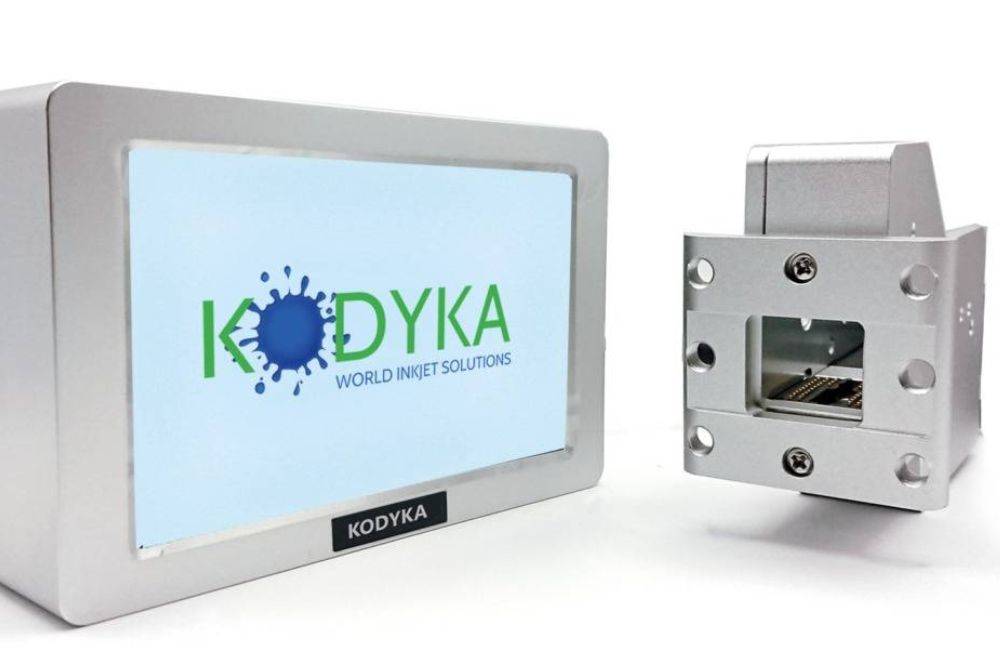
Achieve the best industrial marking with the right printer for your needs
In a world where every product needs to tell its story—where it comes from, when it was made, by whom, and with which batch—industrial marking has become more than a requirement: it’s a strategic tool.
From barcodes to expiration dates, logos, or traceability information, marking is present across all production sectors. But not all technologies serve the same purpose, and not all companies need the same type of equipment.
If you’re evaluating which industrial marking solution to implement in your business, this guide will help you understand its functions, benefits, and identify the most suitable technology for you.
What is industrial marking?
Let’s start with the basics: industrial marking is the process of printing, engraving, or coding variable information onto products, packaging, or industrial materials.
This information can be legal, technical, promotional, or for traceability. Unlike traditional labeling, marking is applied directly onto the product or its packaging.
Common examples of industrial marking include:
- Manufacturing and expiration dates
- Lot or serial numbers
- Barcodes or QR codes
- Product or brand identification
- Quality certifications or regulatory symbols
The goal is to ensure the unique identification of each unit, enable tracking throughout the supply chain, and comply with safety and quality regulations.
Benefits of industrial marking in business environments
Choosing the right marking system can be a turning point for your production processes. Here’s why:
1. Improves traceability
Allows you to track the product from its origin to final distribution. This is essential in regulated sectors like food, cosmetics, or pharmaceuticals.
2. Enhances your brand image
Clean, readable, and precise marking builds trust among distributors and consumers. It strengthens your branding without the need for extra labels.
3. Streamlines processes
Industrial marking equipment integrates directly into the production line, eliminating manual handling and greatly improving efficiency.
4. Ensures legal compliance
In many industries, marking isn’t optional. Choosing the right system helps you avoid fines or product recalls.
5. Long-term savings
By selecting the right technology, you reduce costs related to printing errors, maintenance, and production rework.
🔗 You can also explore our coding solutions for production lines.
Types of industrial marking technologies
There’s no one-size-fits-all solution. Each technology suits different surfaces, speed requirements, mark durability, and operating costs:
TIJ (Thermal InkJet)
Uses thermal ink cartridges. Ideal for printing on paper, cardboard, wood, and other porous materials. Known for its high resolution, cleanliness, and low maintenance.
Perfect for industries like food, logistics, and cardboard packaging.
DOD (Drop On Demand)
Generates large ink drops on demand. Suitable for rough or uneven surfaces like sacks, wood, steel, or bricks.
Common in heavy industry, construction materials, and secondary packaging.
Laser
Etches directly onto the material using a beam of light. Requires no consumables and offers permanent, crisp, and contactless marking. Ideal for pharmaceuticals, electronics, automotive, and metal products.
TTO (Thermal Transfer Overprinting)
Specially designed for printing on flexible packaging or labels. Uses thermal transfer ribbons to print variable data at high speeds. Frequently used in automated packaging, snack bags, cosmetics, or pharmaceuticals.
Key factors to consider before choosing
Choosing an industrial marking technology isn’t just about price or brand. Several critical aspects should be evaluated:
- Type of surface to mark: Printing on glass is different from printing on cardboard or aluminum.
- Production speed: Fast lines need equipment that can keep up without slowing production.
- Marking durability: Will the product face sun, humidity, or friction? Environmental conditions matter.
- Available space: Some solutions are compact; others need specific installation setups.
- Maintenance and consumables: Factor in long-term costs like ink, parts, and tech support.
- Legal requirements: Certain industries demand specific or permanent types of marking.
Real-world use cases by sector
🔹 Food: Date coding on egg cartons using TIJ technology
🔹 Pharmaceuticals: Laser engraving on ampoules and blister packs
🔹 Construction: DOD printing on cement sacks and construction materials
🔹 Electronics: QR codes on small components with precision laser
🔹 Beverages: TTO marking on shrink film for bottle packs
Kodyka: experts in industrial marking solutions
At Kodyka, we design, manufacture, and distribute industrial printers tailored to your specific needs.
Our approach goes beyond selling equipment: we provide complete solutions including consulting, installation, and technical support.
We offer technologies such as TIJ2.5, DOD, laser, TTO, and a line of inkjet inks compatible with multiple materials and environments.
If you’re unsure which printer to choose, we’ll guide you to invest wisely and get results from day one.
Choose with vision, not impulse
Investing in an industrial marking system means betting on quality, traceability, and the future of your production. Analyze your needs, consult with specialists, and choose the technology that adapts to you—not the other way around.


Leave a Reply
Want to join the discussion?Feel free to contribute!